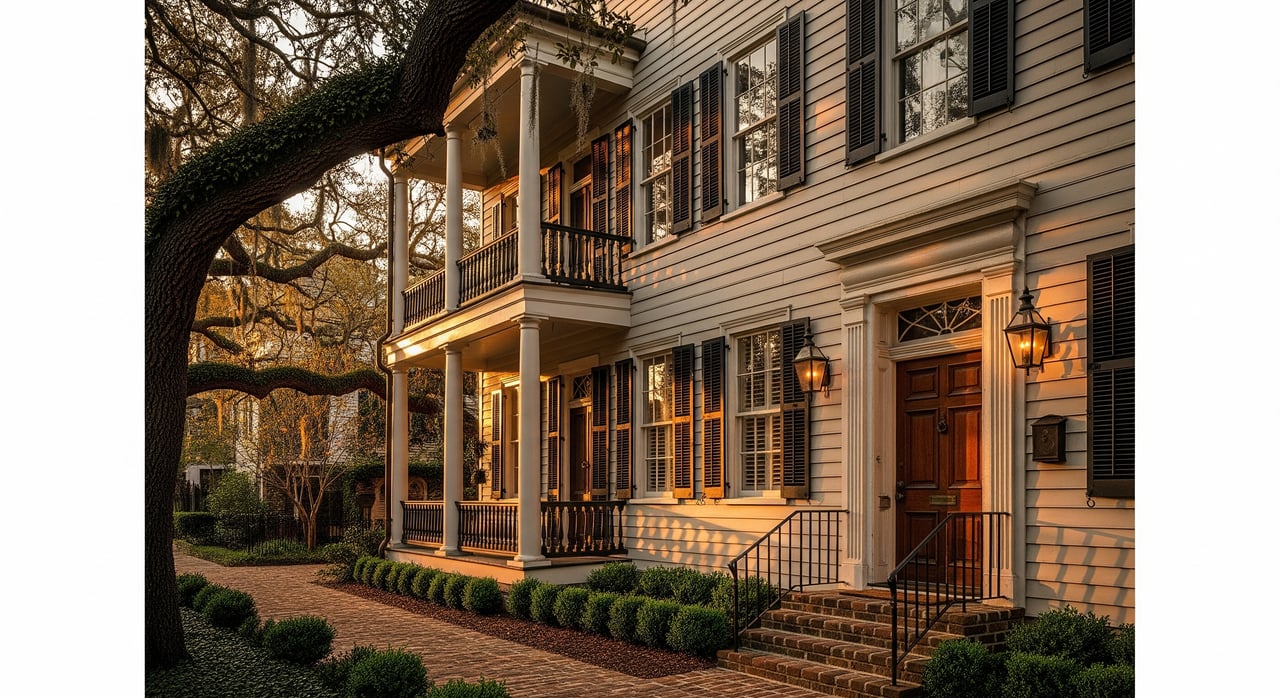
Love the charm of Charleston’s piazzas, wrought-iron gates, and storied facades? Owning a historic home here is a special opportunity, but it also comes with unique rules, timelines, and maintenance considerations. If you are eyeing South of Broad, Harleston Village, or other peninsula blocks, you will want a clear plan before you write an offer. In this guide, you will learn how reviews work, what easements mean, which materials are commonly restricted, and how to budget and hire wisely. Let’s dive in.
What makes a home “historic” in Charleston
Charleston’s local historic controls are administered by the City’s Board of Architectural Review, known as the BAR. The BAR primarily regulates exterior changes that are visible from public streets. Interior work is usually not reviewed by the BAR unless the property has a separate preservation easement that includes interior protections.
Many properties on the peninsula are noted as contributing or noncontributing to the district’s historic character. That status can influence review outcomes. Zoning, building codes, and floodplain regulations also apply, and they operate alongside preservation rules.
How BAR review works
What the BAR reviews
The BAR typically reviews exterior alterations, additions, demolition, new construction, and signage that can be seen from public ways. Minor maintenance and true in-kind repairs may qualify for staff-level approvals. More visible or extensive changes are scheduled for a public meeting.
Typical application workflow
- Start with a pre-application conversation with BAR staff, especially for complex scopes.
- Submit drawings, photos, material descriptions, and a clear scope. Large changes or demolition often need a narrative justification.
- Staff may approve minor items administratively or provide comments for revision.
- Projects requiring board review are placed on a public meeting agenda after you meet submittal deadlines.
- Decisions can be approval, approval with conditions, denial, or deferral. You still need separate building and trade permits after BAR approval.
Timing and expectations
Staff approvals are faster than full-board hearings, but you should still allow extra time for review and possible revisions. Complex projects can add weeks or months to your pre-construction schedule. Always confirm current deadlines and processes with City planning staff.
Demolition and violations
Demolition of contributing resources is stringently reviewed and not routine. Work done without approvals can trigger fines and corrective action. If you see evidence of recent exterior changes, verify that proper approvals exist.
Preservation easements explained
What an easement is
A preservation easement is a recorded legal agreement that limits alterations to designated features. Easements are often held by nonprofit preservation organizations or government entities. They typically require ongoing maintenance, allow inspections, and give the easement holder approval rights.
What it means for buyers
Easements survive the sale and bind future owners. You may need written consent from the easement holder in addition to BAR approval for covered work. Some easements include interiors, roof forms, landscape features, or specific materials. Always review the recorded document to understand standards, notice periods, and remedies.
Where to find easement details
Request the recorded easement during due diligence and contact the named holder for interpretation and current procedures. If you plan changes, confirm early whether the holder must review and approve your scope.
Common design and material rules
Windows and doors
Original wood windows, muntin patterns, and profiles are frequently considered character-defining. The default preference is to repair rather than replace. If replacement is necessary, like-for-like wood reproductions are often expected on visible elevations. Vinyl or different configurations are usually discouraged where visible from public streets.
Roofing and masonry
Historic roofs may be slate, clay tile, standing-seam metal, or wood shingles. Visible areas often need like materials or compatible alternatives. Masonry and siding repairs should match original materials and profiles. Synthetic stucco on historic elevations is commonly avoided due to moisture and compatibility concerns.
Porches, trim, and colors
Porch depth, column profiles, and trim details matter. Preserve original elements whenever possible or replicate them accurately. You may need to submit color samples, and the BAR will consider how your palette fits the building and streetscape.
Mechanical systems and modern add-ons
Plan to locate HVAC units, generators, and similar elements where they are minimally visible. Solar panels are reviewed case by case and are more likely to be approved if they are not visible from public ways or are discreetly sited.
Health, safety, and environmental issues
Lead and asbestos
Many Charleston homes predate 1978, which means lead-based paint is likely. Any work that disturbs painted surfaces must follow EPA Renovation, Repair and Painting rules, and you should budget for safe protocols. Asbestos may also be present in older materials, so testing and, if needed, licensed abatement are important before disturbance.
Moisture, drainage, and termites
Charleston’s climate and low elevation create high humidity, rising damp, and flood risks. Historic buildings are vulnerable to water intrusion and wood-destroying organisms. Thorough inspections for structural issues, moisture, and termite damage are essential.
Flood risk and resilience on the peninsula
Many South of Broad and low-lying blocks are in FEMA flood zones or see tidal flooding. As a buyer, you should:
- Review FEMA flood maps and any existing elevation certificates.
- Ask for available flood-claim history and check on drainage improvements in the area.
- Price flood insurance through the National Flood Insurance Program and private carriers.
- Identify code requirements for resilience upgrades, such as elevating utilities, adding flood vents, or using flood-resistant materials below the base flood elevation.
Some resilience work can be visible and may require BAR review. Elevating mechanical systems and adding vents are common solutions, but details matter for compatibility.
Hiring the right team
Contractor qualifications checklist
- Proper South Carolina license classification and clean standing with the state licensing authority.
- General liability and workers’ compensation insurance, with certificates and coverage limits verified.
- EPA RRP certification for paint-disturbing work in pre-1978 homes and licensed asbestos abatement when required.
- Demonstrated historic experience, BAR familiarity, and local references for similar scopes.
- Access to skilled trades experienced in traditional carpentry, plaster, and masonry.
Documents to request before hiring
- A detailed written scope and bid with drawings, specifications, brands, schedule, payment terms, and warranty details.
- A plan for BAR and permit support, including submittal materials and meeting attendance if needed.
- References and project photos from comparable historic properties.
Permit and inspection coordination
BAR approval usually comes before building permits for exterior work. You will still need permits for building, electrical, plumbing, HVAC, mechanical, or demolition. If your project affects sidewalks or streets, you may need right-of-way permits for staging or scaffolding.
Cost and schedule reality
Historic-appropriate materials and skilled labor typically cost more. Repairing original fabric can be more expensive than standard replacement but helps maintain integrity and value. Add contingencies for hidden conditions such as structural issues, rot, termites, or hazardous materials. Expect longer lead times for custom elements and for administrative reviews.
Due diligence checklist before you close
Use this quick checklist to reduce surprises:
- Request all past BAR approvals, permits, and any enforcement history from the seller.
- Confirm whether a preservation easement exists; obtain and review the recorded document.
- Schedule a comprehensive inspection that includes structure, moisture, and termite evaluation.
- Order testing for lead, asbestos, and mold as indicated by the home’s age and condition.
- Meet with BAR staff early to discuss any planned exterior changes and submittal needs.
- Get contractor bids that assume compliance with BAR and any easement standards, and separate repair from replacement options.
- Verify flood zone, obtain or review elevation certificates, and get insurance estimates.
- If planning significant work, engage a preservation architect or consultant to guide design and approvals.
Can you use historic tax credits?
Federal and many state rehabilitation tax credits typically apply to income-producing properties, such as rentals or commercial buildings. Owner-occupied residential credits are less common. If you are considering credits, consult the South Carolina State Historic Preservation Office and a tax advisor to confirm eligibility.
Smart first steps
If you are serious about a historic property on the peninsula, set your plan now. Talk with BAR staff about your intended scope, collect documentation on approvals and easements, and line up qualified contractors who understand preservation. With the right preparation, you can respect the home’s character and still achieve modern comfort.
If you want a seasoned advisor to help you evaluate properties, vet risks, and coordinate due diligence with trusted local vendors, reach out to Amy Bolan. You will get high-touch guidance backed by decades of Charleston experience.
FAQs
What does the BAR regulate for Charleston historic homes?
- The BAR typically reviews exterior work visible from public streets, including alterations, additions, demolition, new construction, and signage.
Are interior renovations reviewed in Charleston’s historic districts?
- Interior changes are usually not regulated by the BAR unless a recorded preservation easement specifically covers interiors.
How long does BAR approval take for Charleston projects?
- Staff approvals can be quicker, while full-board reviews can add weeks or months; timing depends on scope, schedules, and potential revisions.
What is a preservation easement on a Charleston property?
- It is a recorded legal agreement that restricts alterations and requires maintenance, often granting review and enforcement rights to an easement holder.
Can I replace windows on a South of Broad home?
- Repair is preferred; if replacement is necessary on visible elevations, expect like-for-like materials and profiles rather than vinyl or altered configurations.
How do flood risks affect historic homes on the peninsula?
- Many properties are in FEMA flood zones; you should review maps and elevation data, budget for insurance, and plan resilience upgrades that may need BAR review.
What contractor credentials should I verify for historic work?
- Confirm state licensing, insurance, EPA RRP certification for pre-1978 paint, any asbestos licensing, preservation experience, and local references.
Do historic tax credits apply to an owner-occupied Charleston home?
- Credits typically favor income-producing properties; check with the state preservation office and a tax advisor for current rules.