Trying to choose between a condo and a historic house in downtown Charleston? You are not just picking a look or a floor plan. On the Charleston peninsula, you are also choosing how much maintenance, regulation, and day-to-day responsibility you want to take on. If you understand those tradeoffs before you buy, you can make a decision that fits your lifestyle and avoids surprises later. Let’s dive in.
What This Choice Means Downtown
In downtown Charleston, the condo versus historic house decision is really about shared governance versus owner-managed preservation. Both can offer a great peninsula lifestyle, but they work very differently once you own them.
A historic house often gives you more direct control over the property itself. At the same time, exterior changes may be subject to review by the City of Charleston’s Board of Architectural Review, especially for work visible from the public right-of-way in historic districts.
A condo works differently. Under South Carolina’s horizontal property law, condominium ownership is structured around recorded bylaws, administrative rules, and shared common expenses. That means you may have less exterior work to handle personally, but you also agree to live within a shared set of rules.
Condo Living: Simpler, But Shared
For many buyers, a condo offers a practical lock-and-leave lifestyle. If you split time between Charleston and another city, or you simply do not want to manage exterior maintenance, this setup can feel much easier.
South Carolina law makes clear that condo administration is governed by bylaws. Those bylaws must address upkeep of the property and common elements, how common expenses are collected, and how the property is managed. Owners also contribute their share of those expenses, which can include maintenance and repairs for common areas.
That is why condo due diligence matters so much. Before you buy, you will want to review the governing documents, budget, rules, and financial records to understand how the property is run and what your obligations will be.
What You Trade for Convenience
The biggest advantage of a condo is usually reduced personal responsibility for exterior upkeep. In exchange, you give up some independence.
You will need to follow the association’s rules and contribute to shared expenses. So while a condo may simplify your routine, it is not a hands-off purchase. It is a shared-governance purchase.
Historic Houses: Character With Responsibility
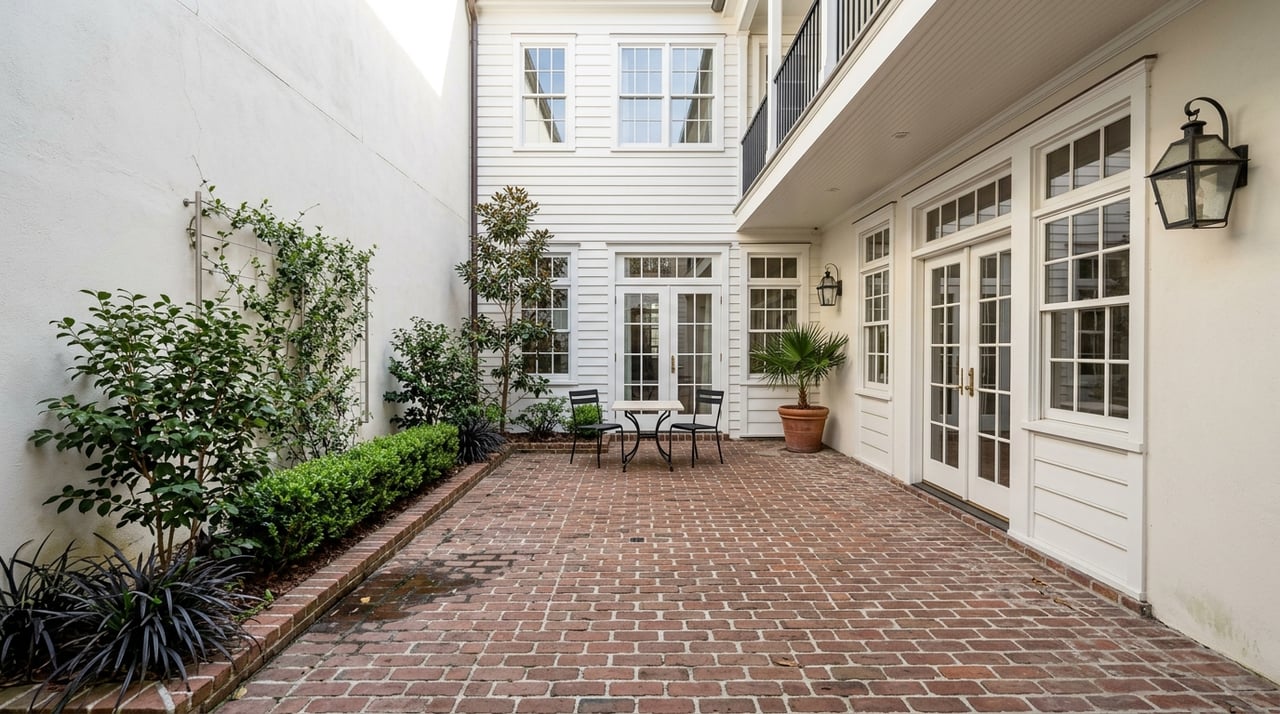
A historic house in downtown Charleston offers something many buyers find hard to replicate. You may get distinctive architecture, a strong sense of place, and outdoor features like porches, piazzas, or small private yards that feel deeply tied to the city’s historic fabric.
But that character comes with a different ownership experience. Charleston’s historic preservation guidelines emphasize repair over replacement and encourage owners to check with City staff before beginning work. In many cases, exterior changes are not as simple or as fast as they would be in a newer home outside the peninsula.
If you love the idea of owning a piece of Charleston history, that can be a meaningful benefit. You just want to go in knowing that preservation-sensitive maintenance is part of the package.
Exterior Changes Are Often Limited
One of the most common questions buyers ask is whether they can freely update the exterior of a historic house. Usually, the answer is no.
According to the City of Charleston, the BAR review process applies to many exterior alterations and renovations visible from the public right-of-way in historic districts. The city also reviews many demolitions, including buildings 50 years old or older south of Mount Pleasant Street.
That does not mean a historic house is impossible to improve. It means the process is often more careful, more regulated, and more focused on preservation than replacement.
Maintenance: Who Handles What?
This is where the condo versus historic house decision gets very practical.
With a condo, the association structure typically handles common elements and collects owner contributions for those shared costs. State law also requires records of receipts and expenditures, including maintenance and repair expenses, to be kept and made available for examination by co-owners.
With a historic house, you are more directly responsible for managing the property and the maintenance strategy. Because Charleston’s guidelines prioritize preserving historic materials and features when possible, repairs may require a more thoughtful approach than a standard suburban renovation.
Historic Details Need Extra Care
Charleston’s guidelines treat certain features as character-defining. That includes piazzas and porches, which are a major part of what makes downtown homes so appealing.
The city notes that enclosing a porch is generally discouraged, and elements like fences, walls, driveways, and mechanical equipment can be constrained or reviewed in historic districts. If you picture yourself redesigning every exterior element freely, a historic house may feel more limiting than you expect.
Parking Can Change Everything
Parking may sound like a small detail when you start your search, but it often shapes everyday life in downtown Charleston.
According to the City of Charleston’s parking information page, on-street meters are active Monday through Saturday from 9:00 a.m. to 6:00 p.m., and the standard rate is $3 per hour. The city also notes that residential parking permits are digital, and in a parking district, each residential unit is allowed a maximum of two permits.
This matters because many buyers assume public parking will always be simple or nearby. The city also points out that many downtown garages are not owned or operated by the city, so convenience can vary more than expected.
Condo Parking vs. Historic House Parking
A condo may offer deeded parking or a garage arrangement that makes daily life easier. For buyers who prioritize convenience, that can be a major advantage.
A historic house may offer more charm and identity, but parking can involve more compromise depending on the property. For some buyers, that tradeoff is worth it. For others, parking becomes the deciding factor.
Outdoor Space Feels Different Too
Outdoor living is another major difference between these two property types.
Historic houses may include porches, piazzas, courtyards, or small yards that feel private and full of character. But Charleston’s preservation framework treats these features as part of the property’s historic identity, not as blank-slate space.
The city’s guidelines say fences and walls are reviewed case by case in historic districts, certain materials may not be appropriate, and mechanical equipment generally should not be visible from the public right-of-way. So while a historic house may offer more private outdoor identity, it does not offer unlimited freedom to redesign.
A condo may give you less private outdoor space, but it can also simplify upkeep and reduce the number of exterior decisions you need to make.
Which Option Fits Your Lifestyle?
The best choice usually comes down to how you want to live, not just what looks better in photos.
A condo often fits buyers who want a more streamlined ownership experience. That can include second-home buyers, relocating professionals, or anyone who prefers a smaller exterior maintenance footprint and is comfortable with association rules, budgets, and shared expenses.
A historic house often fits buyers who care deeply about architectural character, porch-driven living, and having more ownership autonomy over the building itself. The tradeoff is that you also need to be comfortable with BAR review, preservation-minded maintenance, and possible parking limitations.
A Simple Way to Decide
If you are still torn, ask yourself these questions:
- Do you want a true lock-and-leave setup?
- Are you comfortable following condo bylaws and paying shared expenses?
- Do you value architectural character enough to take on more maintenance?
- Would preservation review for exterior changes feel acceptable or frustrating?
- How important are parking and private outdoor space in your daily routine?
If convenience and simplicity are at the top of your list, the condo usually comes out ahead. If historic texture, outdoor character, and a stronger sense of ownership matter more, a historic house may be the better fit.
Buying in downtown Charleston is rarely a one-size-fits-all decision. The right answer depends on how you want to use the property, how much hands-on responsibility you want, and how you feel about regulation, maintenance, parking, and outdoor space. If you want experienced guidance as you compare your options on the peninsula, connect with Amy Bolan for thoughtful, local advice tailored to your goals.
FAQs
Can you change the exterior of a historic house in downtown Charleston?
- Usually not freely. Exterior work visible from the public right-of-way in historic districts often goes through BAR review.
Who handles maintenance in a downtown Charleston condo?
- The association manages common elements under the condo structure, and owners pay their share of common expenses while following the recorded bylaws and rules.
Is parking difficult in downtown Charleston for condo and historic house owners?
- Parking can be a major factor for either property type because metered parking is active Monday through Saturday, and residential parking permits are limited by city rules.
What kind of outdoor space comes with a historic house in Charleston?
- A historic house may include porches, piazzas, yards, or walled outdoor areas, but those features are often regulated as part of the property’s historic character.
Which is better for a second home in downtown Charleston: a condo or a historic house?
- A condo is often the better fit for a second home if you want a simpler, lock-and-leave lifestyle and are comfortable with shared rules and expenses.