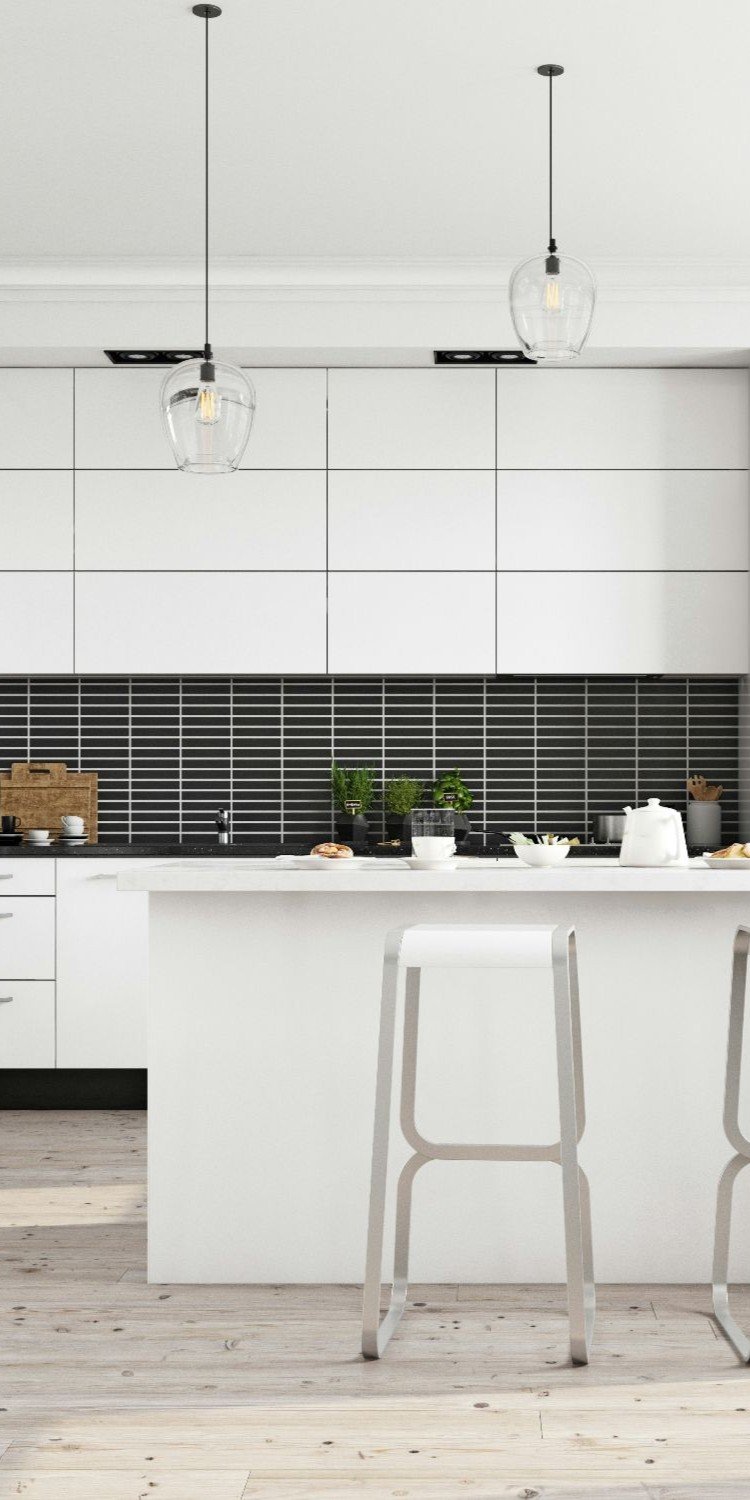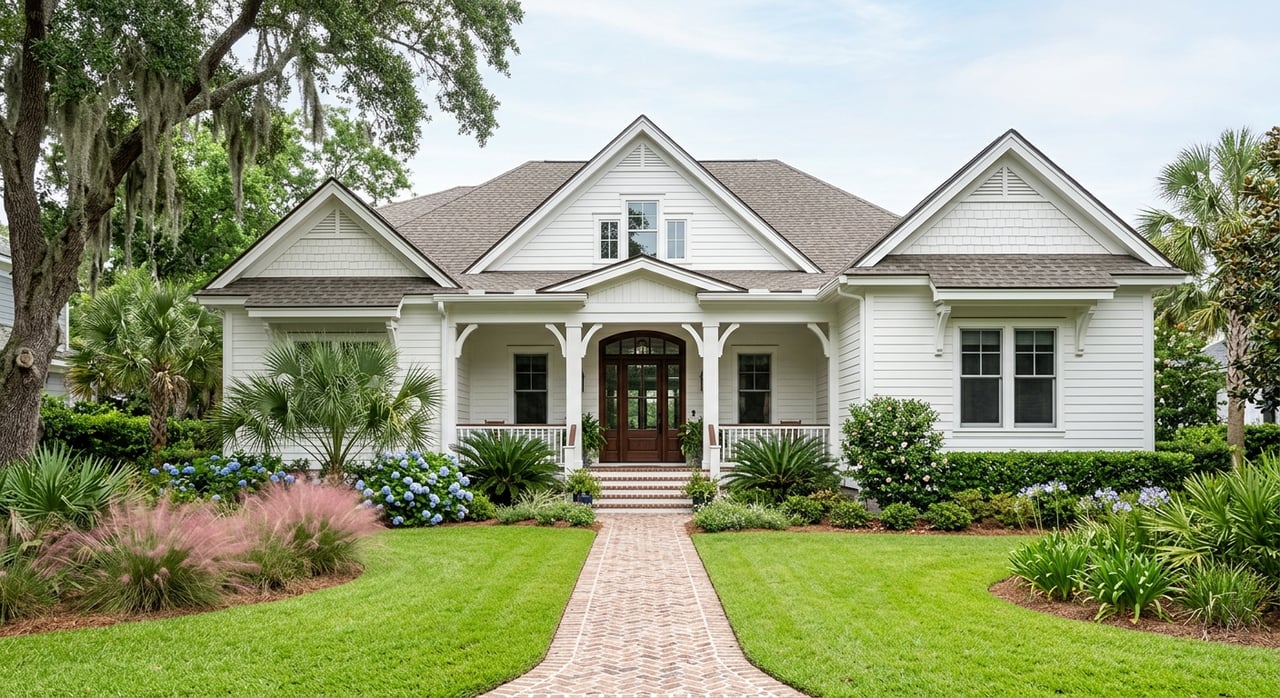
If you are torn between a brand-new home and an established one on Daniel Island, you are not alone. This is one of the most common questions buyers ask in a market where price, timing, design, and neighborhood feel can all point in different directions. The good news is that there is no one-size-fits-all answer, and a clear side-by-side comparison can help you decide what fits your goals best. Let’s dive in.
Daniel Island Market Snapshot
Daniel Island is a master-planned community with hundreds of acres of parks, more than 25 miles of trails, and an Architectural Review Board that oversees design standards and many exterior changes. That structure shapes both new construction and resale decisions in ways buyers should understand early.
Current market data also shows that Daniel Island is firmly in a high-price bracket. Realtor.com reports a median listing price of about $1,780,450 for Daniel Island overall, with a median sold price of $1,307,500. The market is described as balanced, which can give you more room to compare options carefully instead of rushing to one category.
New construction is not automatically the more affordable choice here. Realtor.com shows a median new-construction listing price of about $1,765,000, with 26 new-construction homes for sale and a median 64 days on market. In other words, choosing new versus resale on Daniel Island is usually more about lifestyle, timeline, and priorities than a simple price shortcut.
Why Buyers Choose New Construction
For many buyers, the biggest draw of new construction is control. A new build can give you the chance to choose finishes, layouts, and design features that better match how you want to live.
Buyers are also often drawn to newer systems, open floor plans, and warranty coverage. A new home can reduce the likelihood of facing immediate replacement needs right after closing, which can feel especially appealing if you want a more turnkey start.
That said, new construction on Daniel Island spans a wide range. Current listings show everything from a one-bedroom condo at 540 Helmsman Street listed at $1.25 million to a six-bedroom custom home at 717 Hartey Street in The Retreat listed at $7.39 million. That spread is a good reminder that location, neighborhood, and level of customization matter just as much as whether a home is newly built.
New Construction Can Mean Different Things
Not every new home follows the same process. Some homes are fully custom, while others may be semi-custom, based on a stock plan, or already underway as a spec home.
That difference matters because it affects both your flexibility and your timeline. If you want to make many design decisions, a custom route may appeal to you. If you want a shorter path, a spec home or stock-plan home may be the better fit.
Daniel Island Adds a Design Review Layer
On Daniel Island, new construction includes more than choosing a lot and hiring a builder. The community’s Architectural Review Board exists to keep development aligned with the master plan, and some neighborhoods have a detailed approval path before a City of Charleston building permit can be issued.
For example, The Retreat design process includes an orientation meeting, site meeting, conceptual review, preliminary review, final review, and stamped approval. That process can be valuable if you appreciate a curated neighborhood appearance, but it also adds structure and timing to the path forward.
Neighborhood-specific design standards also shape the finished product. The Retreat guidelines call for traditional Lowcountry architecture and local classical precedent, while Daniel Island Park guidelines favor southern vernacular roof forms, front porches, and restrained exterior colors.
New Construction Tradeoffs to Expect
The biggest tradeoff with new construction is usually time. A custom home design phase often takes 3 to 6 months, followed by permitting and approvals, and construction typically lasts at least 12 to 16 months.
If you need to move on a shorter schedule, that timeline may be a challenge. Even if you shorten the process by choosing a spec home or stock plan, you still need to account for construction progress, approvals, and completion timing.
There are also more decision points along the way. Some buyers enjoy that level of involvement, while others find it stressful. If you want a highly personalized home, the work can be worth it. If you prefer a simpler transaction, resale may feel easier.
Warranties Help, But They Do Not Replace Inspections
Builder warranties can be a real benefit, but they should not be treated as a reason to skip due diligence. Most new-home builder warranties generally cover workmanship and materials for one year, HVAC, plumbing, and electrical for two years, and some major structural defects for up to 10 years.
Even so, new homes are not flawless. Phase inspections are still smart, including checks at the foundation stage, pre-drywall, and final punch-out. An additional inspection around the 10- to 11-month mark can also be useful while the one-year builder warranty is still active.
Why Buyers Choose Resale Homes
Resale homes appeal to buyers who want more certainty right away. With an existing home, you can usually evaluate the street, lot, landscaping, access to parks and trails, and overall daily rhythm before you close.
That is especially meaningful on Daniel Island, where the community already offers mature amenities and established neighborhood patterns. Buyers who say they want an “established” setting are often responding to things like grown landscaping, settled streetscapes, and a clearer sense of how a block functions day to day.
Resale also gives you a faster path in many cases. If your move has a tighter timeline, buying an existing home can be much more practical than waiting through design, approvals, and construction.
Established Areas Bring Their Own Value
Etiwan Park was the first neighborhood established on Daniel Island, and the island’s broader network of parks and trails is already in place. That gives you a real opportunity to experience the surroundings before making a decision.
Pricing on the resale side still spans a broad luxury range. While Daniel Island’s median sold price is reported at $1,307,500, individual sales can be much higher depending on location, lot, and home type. A Daniel Island Drive home built in 2006, for example, sold for $2.2 million in 2025.
Neighborhood also has a major effect on price. Daniel Island Park’s median listing price is about $3.04 million, well above the island-wide median. That is why comparing by neighborhood can be just as important as comparing new versus resale.
Resale Tradeoffs to Watch
A resale purchase may come with older systems, prior updates, or maintenance needs that require closer review. That does not make resale the wrong choice, but it does mean you should ask good questions and inspect carefully.
A home inspection is important for any purchase, and it becomes especially useful when a home has age, custom features, or a long update history. You will want an inspector with experience relevant to the property type and features you are buying.
Many buyers also assume resale means fewer restrictions, but that is not necessarily true on Daniel Island. Exterior changes often still require ARB approval.
Renovation Plans Still Need Review
Daniel Island requires ARB approval for a wide range of exterior changes. That can include paint, siding, roofing, windows and doors, additions, pools and spas, fences and walls, landscaping, tree removal, docks, and bulkheads.
If you are buying a resale home with plans to renovate, ask early what changes are allowed, what approvals are needed, and whether prior exterior work was approved when required. That step can save you time and prevent surprises after closing.
New Construction Versus Resale at a Glance
Here is a simple way to think about the tradeoff:
Priority | New Construction | Resale Home |
|---|---|---|
Personalization | Stronger fit | More limited unless you renovate |
Move-in timing | Often longer | Often faster |
Condition of systems | Typically newer | Varies by age and updates |
Neighborhood feel | May be emerging or still building out | More established and visible |
Design oversight | High, especially with ARB process | Still important for exterior changes |
Up-front certainty | Lower during build process | Higher because you can evaluate the finished home |
Questions to Ask Before You Decide
Whether you lean new or resale, strong questions will help you compare options with more confidence.
Questions to Ask About New Construction
When you tour a new-build opportunity, ask:
- Is this a custom, semi-custom, spec, or stock-plan home?
- What stage are the plans in with the Architectural Review Board?
- Are stamped plans and permits already in hand?
- How much customization is still allowed?
- What warranty is offered?
- Are there added fees, deposits, or neighborhood-specific costs?
- Is landscaping included?
- What association applies, and what do the dues cover?
Daniel Island buyers should also know that fees can vary by property and neighborhood. Depending on the home, the process can involve annual assessments, community enhancement fees, estoppel fees on resale closings, amenity fees in some areas, ARB fees, and construction deposits.
Questions to Ask About a Resale Home
If you are considering a resale property, ask:
- How was the home priced for the current market?
- What is included in the sale?
- What updates have been completed, and when?
- Are maintenance records available?
- Is there permit history for major work?
- Did any exterior work receive ARB approval where required?
- What should I know about the home’s age, systems, and features before inspection?
These questions can help you sort cosmetic appeal from real long-term value.
Which Option Fits You Best?
If you value customization, newer systems, and a controlled design process, new construction may be the better fit. It tends to work best for buyers who can be flexible on timing and want a home tailored more closely to their preferences.
If you want to move sooner, see the neighborhood as it functions today, and compare a finished home in a settled setting, resale may make more sense. For many Daniel Island buyers, the deciding factor is not whether one option is better overall. It is which option matches your timeline, design goals, and comfort level with the approval and inspection process.
A smart Daniel Island purchase starts with understanding those tradeoffs clearly. If you want experienced guidance on the island’s neighborhoods, pricing, and property types, Amy Bolan can help you compare your options and move forward with confidence.
FAQs
Should you buy new construction or resale on Daniel Island?
- New construction may suit you if you want customization and newer systems, while resale may suit you if you want a faster move and a more established street setting.
Are new construction homes cheaper than resale homes on Daniel Island?
- Not necessarily. Daniel Island’s median listing price is about $1,780,450 overall, while the median new-construction listing price is about $1,765,000, so pricing can be very similar depending on neighborhood and home type.
Does Daniel Island require approval for exterior home changes?
- Yes. The Architectural Review Board requires approval for many exterior changes, including paint, roofing, windows, additions, pools, fences, landscaping, tree removal, and more.
How long does a custom home take on Daniel Island?
- A custom home often includes a 3 to 6 month design phase, followed by permitting and approvals, with construction typically lasting at least 12 to 16 months.
What should you ask when buying a resale home on Daniel Island?
- Ask about update history, maintenance records, permit history, what is included in the sale, and whether any required ARB approvals were obtained for exterior work.
Are inspections important for Daniel Island new construction homes?
- Yes. New homes can still have issues, so phase inspections and a follow-up inspection near the end of the first warranty year can be helpful.