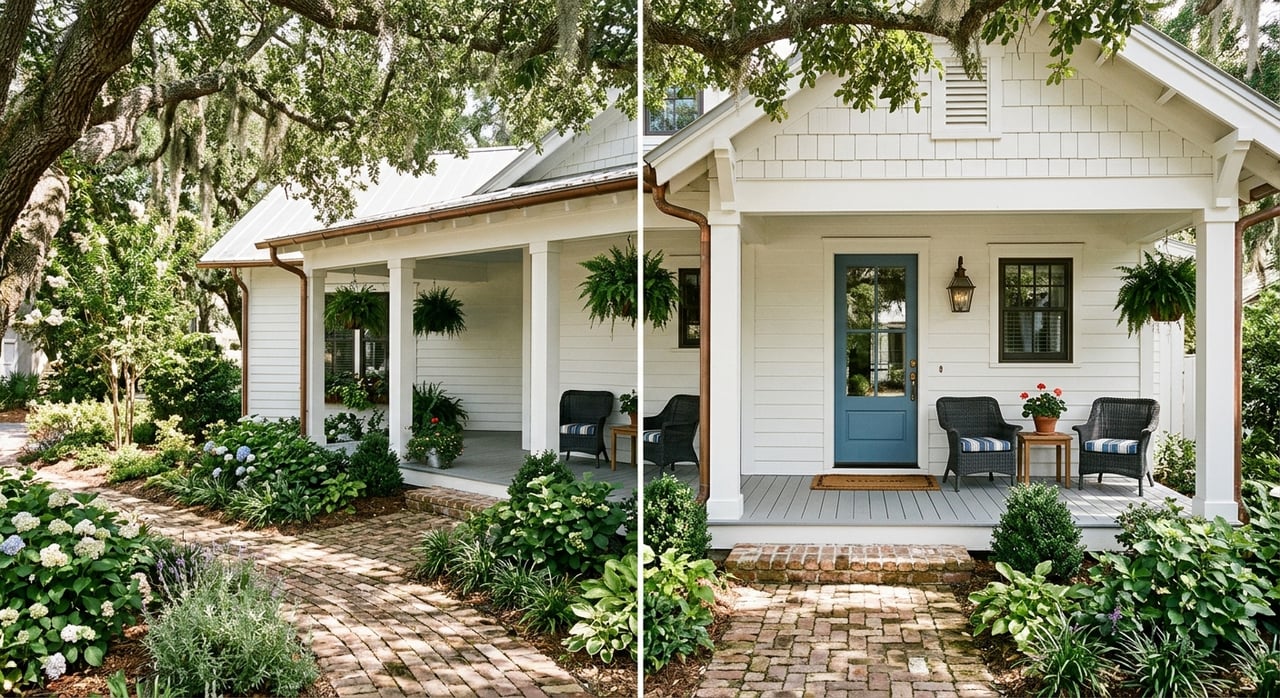
Are you looking for a place where daily life feels a little slower, a little more walkable, and still connected to the greater Charleston area? Summerville’s historic core appeals to many buyers because it blends small-town rhythm, green space, and preserved character in a way that feels livable, not staged. If you are wondering what everyday life really looks like here, this guide will walk you through the streetscape, parks, dining, events, and home styles that shape the experience. Let’s dive in.
Historic Core Feel
Summerville’s official materials describe downtown as a place where historic character and active redevelopment coexist. That is an important distinction if you want charm but do not want a setting that feels frozen in time. Renovated and reoccupied historic buildings help create an active main street rather than a museum-like district.
The layout also supports a more relaxed routine. The downtown visitor guide highlights a compact area where you can park once and then move on foot between shops, coffee stops, historic sites, and a park. For many buyers, that simple detail says a lot about how the area functions day to day.
Summerville also leans into its identity as the Flower Town in the Pines and a Tree City USA community. That greener setting gives the historic core a softer feel than a denser urban district. If you are relocating from a faster-paced market, that shift may be part of the appeal.
Daily Life Around Hutchinson Square
Hutchinson Square sits at Main Street and Doty Avenue and helps anchor the rhythm of downtown. It is open daily from dawn to dusk and serves as one of the town’s main venues for events, concerts, and festivals. In practical terms, that means the square is not just scenery. It is part of how people gather and spend time.
For everyday living, having a central public space matters. It gives the historic core a civic feel and creates a natural meeting point for errands, casual walks, or community events. If you enjoy living near a recognizable town center, this is one of the strongest lifestyle features in the area.
Parks Support Everyday Routines
One reason Summerville’s historic core feels lived-in is the easy access to outdoor space. The parks near downtown are not isolated destinations that require a major plan. They are simple, low-friction places you can work into a normal week.
Azalea Park Amenities
Azalea Park sits just outside downtown and includes walking trails, ornamental gardens, bronze sculptures, gazebos, a playground, restrooms, and tennis courts. It is open daily from dawn to dusk. That mix supports everything from a short morning walk to a casual afternoon outing.
For buyers comparing neighborhoods, this kind of park access can shape daily quality of life. You are not just near historic buildings. You are also near open space that adds breathing room to the routine.
Doty Park Features
Doty Park, close to the downtown area, adds another layer of convenience. The town lists a splash pad, playground, walking trail, tennis and pickleball facilities, restrooms, and free public Wi-Fi, with hours daily from dawn to 10 p.m.
That makes it one of the more flexible public spaces near the historic core. Whether you want a quick outdoor stop, a place to walk, or access to recreation later in the day, Doty Park helps support an active but easygoing lifestyle.
Sawmill Branch Trail Access
If you prefer longer walks or bike rides, the Sawmill Branch Trail extends the outdoor routine beyond the immediate downtown blocks. The paved path runs just under seven miles and includes fitness stations and multiple trailheads.
For some buyers, this is a major advantage. It adds a more connected outdoor option without changing the small-town feel of the historic core itself.
Dining and Weekend Rhythm
Downtown Summerville offers enough dining variety to support both routine and occasion. According to the downtown dining directory, the mix includes coffee shops, a roastery café, quick-service breakfast and lunch spots, pub and brewery options, Italian, Mexican, Thai, seafood, and farm-to-table dining.
That range matters because it shows the area is not dependent on one type of outing. You can make downtown part of your weekday habits, not just a Saturday night destination. A fast coffee run, a casual lunch, or a sit-down dinner can all fit into the same district.
For buyers thinking about lifestyle first, this variety often helps a neighborhood feel sustainable over time. The historic core supports simple routines as well as more social evenings out.
Events Add Energy Without Big-City Pace
Community events help define everyday living in Summerville’s historic core. Third Thursday brings a monthly vendor fair to the downtown area, while the Summerville Farmers Market runs on Saturdays from April through mid-November behind Town Hall.
The Flowertown Festival is another major part of the town’s identity. It has been held since 1972 and takes place in historic downtown Summerville. Long-running events like this often tell you a lot about how a place sees itself and how residents use public space.
If you enjoy living somewhere with an active calendar, these events can add variety without the constant intensity of a larger city. There is energy here, but it tends to feel civic and seasonal rather than nonstop.
Arts and Culture Downtown
The historic core also includes arts and performance options within downtown itself. Public Works Art Center and the Flowertown Players add another dimension to local life beyond dining and retail.
For some buyers, that cultural layer makes a real difference. It gives downtown more texture and helps create the sense that the area is not just convenient, but also engaging.
Commute and Regional Access
If you are relocating, one of the biggest questions is often whether a walkable downtown can still work with a regional commute. Summerville’s downtown guide places the historic core near I-26, US-78, US-17 Alternate, and SC-165. The area is also about 20 miles northwest of Charleston and about 18 miles from Charleston International Airport.
The Census Bureau reports a mean travel time to work of 31.2 minutes for Summerville workers age 16 and older during the 2020 to 2024 period. That data supports what many buyers already assume: this is still largely a driving-based area for regional commuting.
At the same time, downtown living is not disconnected from broader Charleston access. CARTA’s XP3 Dorchester Rd/Summerville express route and the Dorchester Village Shopping Center park-and-ride offer a transit option for some commuters. In lifestyle terms, the historic core can feel small-town and walkable while still staying connected to the metro.
Homes and Historic Character
The homes in Summerville’s historic core are part of the appeal, but they also come with a distinct framework. The downtown historic district is governed by the Town’s Historic District and Board of Architectural Review. According to town materials, the board reviews all new construction, exterior modifications, and demolition within the district.
That review process helps preserve the area’s historic character while guiding renovation, rehabilitation, demolition, and compatible new construction. For buyers, this means the visual consistency of the district is not accidental. It is shaped by an active preservation approach.
Common Home Styles
Town materials describe the district as mostly vernacular architecture, with some higher-style examples. Identified styles include Greek Revival, Federal, Italianate, Queen Anne, and Colonial Revival.
The bungalow is noted as one of the most common house types, often with Craftsman influence and full-width front porches. If you are drawn to layered streetscapes, older home forms, and porch-oriented design, this part of Summerville offers that in a meaningful way.
What Preservation Means for Buyers
Preservation rules are important to understand before you buy in the historic core. Exterior changes, new construction, and demolition are subject to review, which can affect how future updates are planned.
For many buyers, that tradeoff is worthwhile because it helps protect the district’s overall appearance and identity. The key is to go in with clear expectations about what living in a historic district involves.
Who This Lifestyle Fits Best
Based on the town’s planning materials, park system, event calendar, dining mix, preservation rules, and commute patterns, Summerville’s historic core tends to fit buyers who want a slower, main-street environment with walkable errands, easy park access, and a strong historic identity.
It can be especially appealing if you value character and routine over a more anonymous suburban layout. At the same time, it helps to be comfortable with the reality that most regional commuting will still happen by car.
If that balance sounds right to you, Summerville’s historic core offers a version of Lowcountry living that feels grounded, connected, and distinctly local.
When you are weighing neighborhoods, lifestyle fit matters just as much as square footage. If you want experienced, practical guidance on where Summerville fits into your Charleston-area search, connect with Amy Bolan for personalized help.
FAQs
What is everyday life like in Summerville’s historic core?
- Everyday life in Summerville’s historic core centers on a compact downtown, walkable errands, nearby parks, local dining, and community events, with a pace that feels more small-town than urban.
What parks are near Summerville’s historic downtown?
- Parks near Summerville’s historic downtown include Azalea Park, Doty Park, and the Sawmill Branch Trail, offering walking paths, recreation areas, and outdoor gathering spaces.
What kinds of restaurants are in downtown Summerville?
- Downtown Summerville includes coffee shops, a roastery café, quick-service breakfast and lunch spots, pubs and brewery options, plus Italian, Mexican, Thai, seafood, and farm-to-table dining.
What is the commute like from Summerville’s historic core?
- Commutes from Summerville’s historic core are still largely car-based, with access near I-26, US-78, US-17 Alternate, and SC-165, and a reported mean travel time to work of 31.2 minutes for Summerville workers.
What home styles are common in Summerville’s historic district?
- Common home styles in Summerville’s historic district include Greek Revival, Federal, Italianate, Queen Anne, Colonial Revival, and bungalows that often feature Craftsman details and full-width front porches.
What should buyers know about historic district rules in Summerville?
- Buyers should know that the Town’s Historic District and Board of Architectural Review reviews new construction, exterior modifications, and demolition in the downtown historic district.