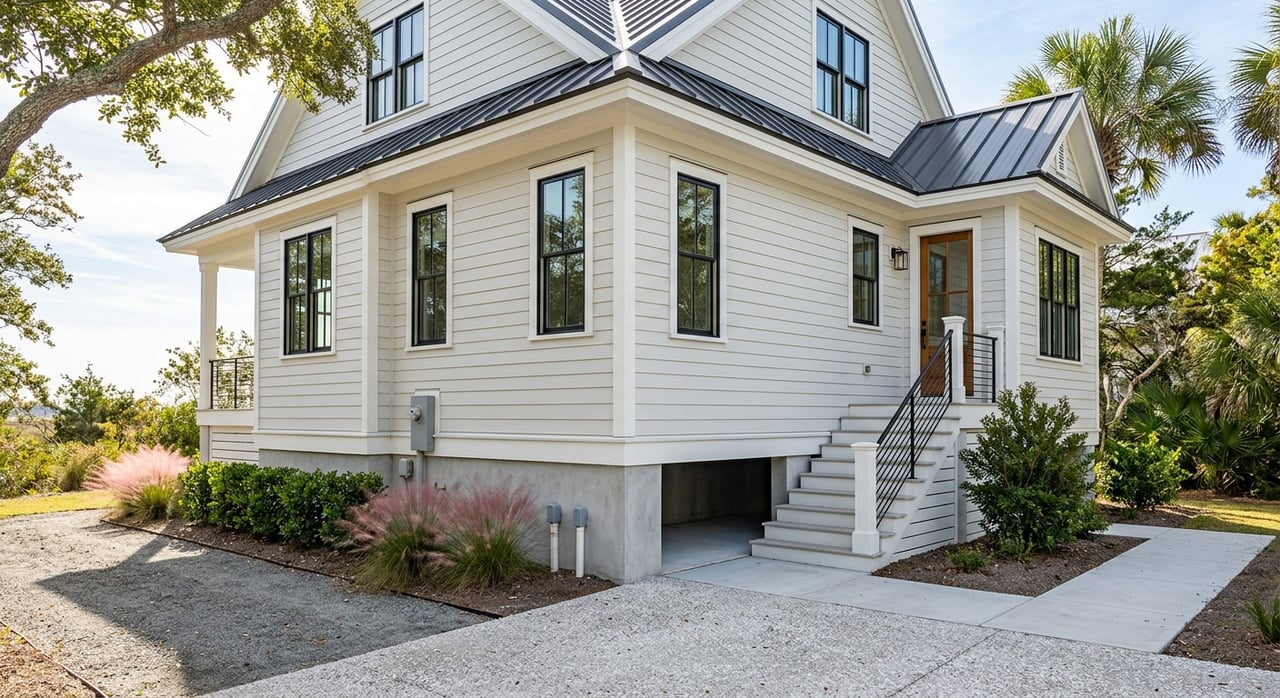
Thinking about buying land or building a home on Johns Island? It can be an exciting move, but it also comes with more moving parts than many buyers expect. From city versus county rules to flood review, utilities, septic, and subdivision requirements, the path from raw land to finished home depends on the details of the specific parcel. This guide will help you understand what to look for, what questions to ask, and how to approach Johns Island land and new construction opportunities with more confidence. Let’s dive in.
Why Johns Island Opportunities Vary
One of the biggest things to understand is that Johns Island does not operate under one set of rules. Some properties fall within the City of Charleston, while others are in unincorporated Charleston County. That difference affects zoning, permitting, subdivision review, and the approval path for your project.
According to Charleston County Zoning and Planning, the county ordinance applies only to unincorporated properties. For parcels in the city, the City of Charleston zoning and development rules control the process instead. Before you focus on price, acreage, or house plans, it is smart to confirm which jurisdiction governs the lot.
Common Johns Island Parcel Types
Not all land on Johns Island offers the same level of buildability. The parcel type often shapes the timeline, budget, and level of due diligence you will need.
Infill Lots and Neighborhood Lots
Infill lots in established areas can look straightforward, but they still need to meet zoning and subdivision requirements. Setbacks, lot dimensions, access, and tree or site work rules can all affect what you are allowed to build. On city parcels, those issues are reviewed through the city’s zoning and permit process.
Larger Acreage and Family Tracts
Larger properties may offer more flexibility, but they can also trigger extra review if you plan to divide the land, add internal roads, or create future homesites. Charleston County defines subdivision broadly enough to include dividing one parcel into two or more lots, changing streets, or combining lots, and plats must meet county standards before recording.
Wetland-Adjacent and Flood-Affected Parcels
Some Johns Island parcels include marsh edges, low areas, or other environmental constraints. In those cases, the usable building area may end up smaller than the total acreage suggests. The need for wetlands review, drainage review, or flood-related design can have a major impact on where and how you build.
Utility-Served Versus Septic Lots
A lot with public water and sewer may be simpler to develop than one that requires a well and septic system. Johns Island has both types. The presence or absence of utility service can affect cost, timeline, and even whether a site works for your intended home size.
Utilities Can Make or Break Feasibility
On Johns Island, utility access is often one of the first practical checkpoints. Charleston Water System says it provides direct retail sewer service in the City of Charleston, unincorporated West Ashley, and parts of Johns Island within the urban growth boundary. It also advises buyers of vacant land to review its service-area map and request a service availability letter for new development.
If public sewer is not available, South Carolina’s environmental agency says a septic system is required. If public water is not available, a residential well is needed. That means two lots with similar size and price can have very different development paths depending on utility access.
Septic Suitability Is Site-Specific
Buyers sometimes assume a rural or semi-rural lot will automatically support septic. That is not always the case. SCDES guidance for land buyers explains that soil, slope, flood risk, drainage, wetlands, and fill dirt all matter when evaluating septic feasibility.
The agency also notes that not all property is suitable for a standard system. In some cases, an engineered system may be required, and that can cost thousands more. If you are looking at a lot outside public sewer service, septic review should be part of your early due diligence, not an afterthought.
If the lot will use septic, SCDES permit requirements state that a permit to construct must be issued before construction begins or before a manufactured home is moved onto the property. The site also needs marked corners, a legal description, and clear access for inspection.
Flood and Stormwater Matter on Johns Island
Flooding and drainage are a major part of building on Johns Island. This is not just a design issue. It can affect permitting, lender requirements, insurance, site costs, and your overall timeline.
For flood-zone research, the official source is FEMA’s Flood Map Service Center. In addition, Charleston County says unincorporated Johns Island is classified as a Stormwater Special Protection Area. The county requires a stormwater permit for land disturbance over 5,000 square feet, and that review is tied to the building permit process.
For city parcels, floodplain permitting also plays a major role. The research shows that in the City of Charleston, all work in the Special Flood Hazard Area requires a permit, and elevation certificates are required for new construction and substantial improvements in the SFHA.
Why Drainage Planning Deserves Attention
Johns Island’s long-term planning efforts also reflect how closely growth and drainage are connected. The City’s Johns Island Restoration Plan, finalized in December 2021, identified drainage, natural asset preservation, and mitigation as major issues near the growth boundary.
For you as a buyer or builder, the takeaway is simple: a beautiful parcel may still require careful drainage and environmental review before plans come together. Land value is not just about location and size. It is also about how the lot performs under real-world review.
Roads and Access Affect Daily Use
Access is another factor that deserves a close look. A parcel may appear attractive on paper, but ease of entry, road improvements, and circulation can influence daily convenience and project planning.
Charleston County’s Maybank Highway project archive notes that the project was designed to improve safety and traffic flow, and the Northern Pitchfork Road opened on March 26, 2024. For some nearby properties, infrastructure changes like this may improve access, though the impact on any one parcel remains site-specific.
City Versus County Approval Path
Once you identify a lot, your next question should be: who reviews the project? That answer shapes almost everything that comes next.
For unincorporated parcels, Charleston County’s zoning office states that zoning permits can be required for building permits, grading, filling, clearing, grubbing, tree removal, stormwater changes, and dwelling construction. For city parcels, review and inspections are handled through the city’s Permit Center and zoning process.
That distinction is especially important if you are planning more than a simple single-family home. Charleston County’s subdivision and site-review rules can add time and coordination if the project involves lot splits, roads, or broader development changes.
What the Build Process May Require
A buildable lot still needs to move through the right inspection sequence. On flood-prone county sites, Charleston County’s floodplain inspection guide calls for an as-built layout and soil or bearing report before foundation work, then flood elevation certificates and other sign-offs before final approval.
The same guide also notes that stormwater and planning or zoning approvals are needed before a certificate of occupancy. On county parcels, Building Inspection Services is the local office that issues permits and enforces building, fire, electrical, and floodplain regulations.
Key Questions Before You Buy Johns Island Land
Before you move forward with a land purchase or custom build, it helps to ask direct questions early. These are some of the most important ones:
- Which jurisdiction governs the parcel: City of Charleston or unincorporated Charleston County?
- What zoning district, overlay, or annexation status applies?
- Is public water and sewer available, and has a service availability letter been requested?
- If septic is needed, do the soils, slope, drainage, and lot layout support a conventional system?
- Is the parcel in a flood zone or Special Flood Hazard Area?
- Will wetlands, drainage features, or waters on the site trigger additional review?
- Will clearing, grading, or driveway work trigger stormwater permitting?
- If you plan to split the property, what platting or subdivision approvals are required?
These questions can save you time, money, and frustration. They also help you compare parcels more accurately when two opportunities seem similar at first glance.
Johns Island Land Is About More Than Acreage
A large tract can be appealing, but acreage alone does not tell you how usable a property really is. On Johns Island, buildability often depends more on zoning, utilities, floodplain conditions, wetlands, septic feasibility, drainage, and access than on lot size by itself.
That is why many successful land and new construction purchases involve a coordinated review between the buyer, builder, surveyor, attorney, and local agencies. A careful process up front can help you avoid expensive surprises later and move toward a more informed decision.
If you are exploring land or new construction on Johns Island, working with an experienced local advisor can help you ask better questions and connect with the right professionals at the right stage. When you are ready for a thoughtful, hands-on approach, reach out to Amy Bolan for guidance tailored to your goals.
FAQs
What should you verify before buying land on Johns Island?
- You should confirm the governing jurisdiction, zoning, utility availability, flood-zone status, septic feasibility, wetlands concerns, and whether stormwater or subdivision review may apply.
How do Johns Island city and county rules differ for new construction?
- Some parcels are in the City of Charleston and others are in unincorporated Charleston County, so zoning, permitting, subdivision review, and inspection processes can differ depending on the property location.
Why is septic approval important for Johns Island vacant land?
- If public sewer is unavailable, the lot may need septic, and site conditions such as soil, slope, drainage, wetlands, and flood risk can determine whether a standard or engineered system is required.
How does flood-zone status affect a Johns Island build?
- Flood-zone status can affect permit requirements, elevation certificates, design decisions, insurance, and inspection steps, especially for parcels in a Special Flood Hazard Area.
When does stormwater review apply to Johns Island land development?
- In unincorporated Johns Island, Charleston County requires a stormwater permit for land disturbance over 5,000 square feet, and that review is tied to the building permit process.
Can you split a larger Johns Island parcel into multiple lots?
- Possibly, but lot splits and other changes may trigger platting or subdivision review, and the approval path depends on the parcel’s jurisdiction and the scope of the proposed division.