Trying to decide between Summerville and downtown Charleston? Your best fit comes down to how you want to live day to day, not just where you sleep at night. In this guide, you’ll get a clear, side-by-side look at housing options, commute reality, conveniences, and the overall vibe in each place. By the end, you’ll know which move aligns with your priorities and what tradeoffs to expect. Let’s dive in.
Big picture: distance and lifestyle
Summerville sits about 22 to 25 miles northwest of downtown Charleston. In normal flow, many locals report around a 30-minute drive, but rush-hour congestion on I-26 can extend that window, so build in margin for peak times. You can confirm the distance and typical drive time using this simple tool for measured driving distance and time estimates from Summerville to Charleston. Check the driving distance and time.
Lifestyle is the real dividing line. Summerville offers a suburban-small town experience with a historic main street and a growing network of master-planned communities. Downtown Charleston delivers dense, walkable city living with iconic architecture, a high-energy restaurant and arts scene, and more tourism on weekends.
Housing and neighborhoods
Summerville homes and communities
In Summerville, you’ll find a walkable historic core with older cottages and bungalows near Main Street, plus rapidly growing suburban corridors anchored by master-planned neighborhoods like Nexton and Cane Bay. These communities emphasize trails, pools, town-center retail, and convenient services within a short drive or even golf-cart distance. For a feel of what keeps weekends active, explore local happenings and downtown highlights on the area’s visitor site: things to do around Summerville.
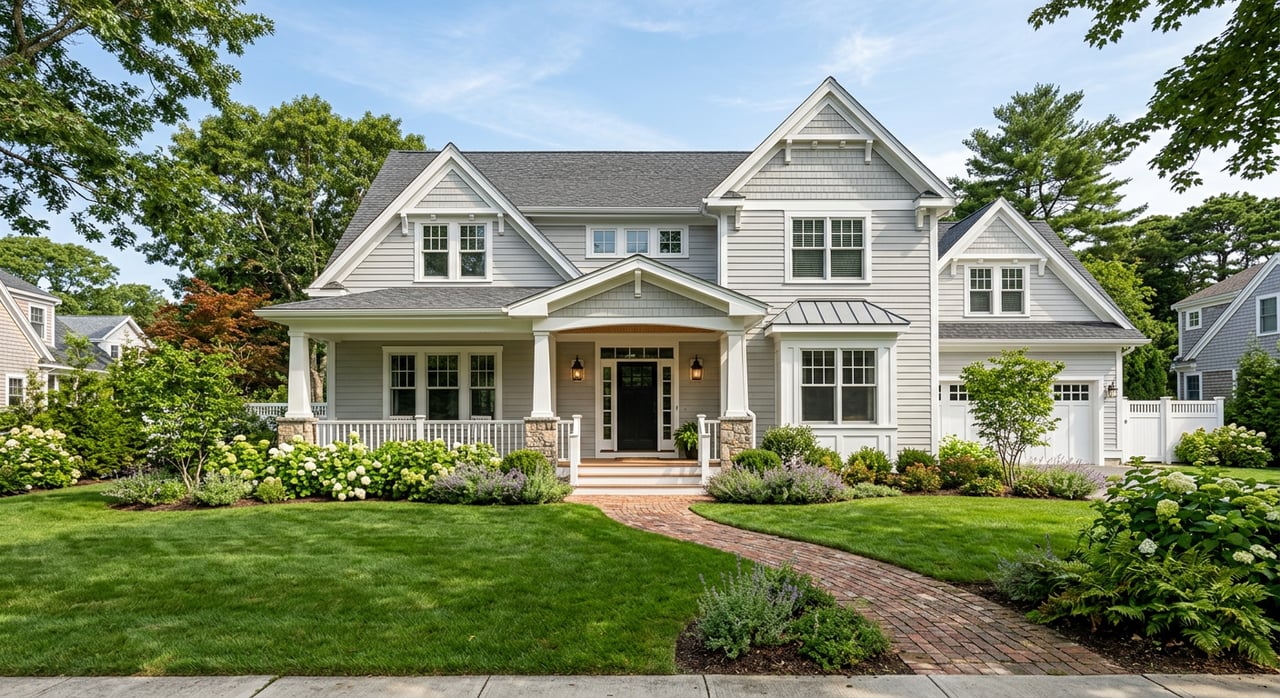
Outside the historic core, homes tend to offer larger lots, more detached single-family options, and layouts designed for modern living. You’ll commonly see open floor plans, extra storage, and multiple-car garages. The practical upside is straightforward parking and newer construction. The tradeoff is a more car-centric lifestyle if your daily routine points toward the city.
Charleston homes on the peninsula
Downtown Charleston is known for compact, historic housing types like the Charleston Single House, row houses, and antebellum townhomes, along with a mix of renovated buildings and newer condominiums. Lots are often narrow with limited private yard space, and outdoor living centers on piazzas and porches.
If you love the character and texture of preserved streetscapes, downtown delivers in a big way. Keep in mind that off-street parking is at a premium in many locations, and renovating historic properties, especially exteriors visible from the street, usually requires more planning and specialist support.
Historic character and permits
Summerville’s downtown feel
Summerville leans into its small-town charm with Azalea Park and long-running community traditions. The Flowertown Festival is a signature event that draws visitors each spring and anchors the town’s identity as the “Flower Town in the Pines.” You can browse details and timing here: Flowertown Festival information. Weekends downtown tend to be walkable and relaxed, with independent shops and cafés supporting an easy pace.
Charleston’s preservation rules
Charleston’s historic peninsula is nationally recognized for its architecture and active cultural calendar. That character is protected by the City’s Board of Architectural Review, which oversees many exterior changes visible from public streets. If you plan to buy and renovate downtown, expect to secure a Certificate of Appropriateness for most visible exterior work and build extra time into your schedule. Learn how the process works through the City’s overview of the Board of Architectural Review and COA requirements.
The tradeoff is straightforward. If you prioritize quick exterior remodels or large additions, suburban product is often simpler. If you value preserved streetscapes and historic integrity, downtown’s framework supports that long-term character, just with more steps.
Commute reality and access
On a typical day, you might make the Summerville-to-downtown drive in about 30 minutes. During peak hours, incidents and construction along I-26 can cause delays, so the key question is reliability rather than the absolute best-case time. For a useful overview of roadwork and congestion patterns that affect local routes, see this regional look at Charleston’s roads, construction and safety initiatives.
Access points matter. Households in the north Summerville corridor benefit from the Nexton Parkway interchange at Exit 197, which improves on-ramps and overall I-26 access for nearby neighborhoods. You can read the project background here: Nexton Parkway and Interchange 197 overview.
Transit in the region continues to evolve, but many Summerville-to-Charleston commutes still default to the car. If a short, predictable commute to the peninsula is essential every day, starting your search closer to downtown often makes sense.
Everyday conveniences
Summerville services and daily needs
Summerville’s historic area supports local cafés, restaurants, and seasonal events, while nearby master-planned centers like Nexton Square and The Market at Cane Bay cluster groceries, dining, fitness, and services. To preview lifestyle options and local happenings, browse Summerville’s visitor highlights.
Healthcare is a local strength, with Summerville Medical Center providing inpatient and emergency services through the Trident Health system. That means many routine and urgent needs can be handled close to home. Learn more about the hospital’s capabilities through recent updates from Trident Health’s Summerville Medical Center.
Charleston conveniences and culture
Downtown Charleston concentrates restaurants, boutiques, galleries, museums, and theaters within a very walkable footprint. The peninsula hosts major annual arts and food events that keep the calendar busy throughout the year. For a taste of the city’s cultural density and destination dining, explore the Charleston CVB’s event and culture highlights.
Charleston is also a regional medical hub anchored by MUSC and Roper St. Francis, plus multiple specialty providers. If frequent specialty care is a priority, you will find a deeper range of options downtown compared with a typical small town. For broader context on the region’s healthcare landscape, see this market overview of Charleston’s hospital systems.
Pace of life and weekends
Summerville’s rhythm is quieter and community-centered, with parks, local markets, and town programming that fills the calendar without overwhelming it. The Flowertown tradition and seasonal events give weekends a friendly, easygoing feel.
The peninsula’s energy is “always on,” with steady visitor traffic, frequent festivals, and a high density of restaurants and cultural programming. If you want daily walkability to galleries, theaters, and destination dining, the city delivers. If you prefer slower weekends with more space, Summerville lines up well.
Quick decision checklist
Use these prompts to zero in on the right starting point for your home search.
- Want walkable urban life and daily access to museums and a major restaurant scene? Start downtown on the peninsula. Review the city’s cultural density in the Charleston CVB highlights.
- Want a yard, newer construction, neighborhood amenities, and easier parking? Start in Summerville’s master-planned communities and suburban corridors.
- Need frequent specialty hospital care nearby? Factor in proximity to MUSC and Roper in downtown Charleston. See the healthcare overview in this Charleston hospital systems report.
- Prefer flexible exterior renovations or larger additions? Suburban properties often carry fewer historic constraints. If you value preserved streetscapes, downtown is compelling, but plan for BAR approvals for visible exterior work via the City’s BAR and COA process.
- Is commute reliability more important than home size? If yes, consider living closer to downtown. If you can manage a drive that is often around 30 minutes but can run longer at peaks, Summerville offers strong options. Check typical distance and estimated time here: Summerville to Charleston drive.
Which move fits you?
Choose Summerville if you want more space, newer homes, and a small-town center that still gives you dining and events without the city’s intensity. Choose downtown Charleston if you want historic architecture, walkable city life, and a deep bench of dining, arts, and medical services.
If you would like help weighing tradeoffs by neighborhood, mapping a realistic commute, or comparing renovation paths on specific homes, connect with Amy Bolan for tailored guidance.
FAQs
How long is the Summerville to Charleston commute?
- The drive is roughly 22 to 25 miles and often about 30 minutes in normal flow, though I-26 congestion can extend times during peak hours.
What is the vibe of downtown Summerville?
- It has a small-town main street anchored by parks and seasonal events like the Flowertown Festival, with a relaxed, walkable weekend feel.
Can I renovate a historic home in downtown Charleston?
- Yes, but most exterior changes visible from the street require a Certificate of Appropriateness through the City’s Board of Architectural Review.
Where will I find more new construction options?
- Summerville’s suburban and master-planned neighborhoods typically offer more new builds, larger lots, and modern layouts than the downtown peninsula.
Which area has more dining and cultural events?
- Downtown Charleston has a higher concentration of restaurants, galleries, theaters, and year-round festivals within a walkable urban setting.